Practical guide · 02

Brew with confidence, then make it yours.

Three approachable methods, one responsive recipe calculator and the details that keep every cup clean, balanced and recognisably Malaysian.

Traditional Malaysian cloth coffee filter ready for brewing
02 Malaya Kopi field guide

Choose a method

Three routes to a good cup.

Use these practical recipes as starting points, not official Malaysian standards. Roast, grind and personal preference will always ask for small adjustments.

Coffee filtering through a reusable cloth coffee bag

01 · Traditional strength

Malaysian sock coffee

A cloth filter and a confident pour produce the full body associated with many kopitiam cups.

Ratio
1:12
Water
92°C
Time
3:30
Grind
Medium-fine
  1. 01

    Rinse the clean cloth bag thoroughly with hot water and preheat the vessel.

  2. 02

    Add coffee, pour all the water steadily and stir once to wet every ground.

  3. 03

    Steep, then lift the bag and let it drain without aggressively squeezing it.

  4. 04

    Serve black or adjust milk and sweetness in the cup.

Creamy Ipoh-style white coffee in a cup

02 · Rounded and gentle

White coffee at home

The name describes a roasting and serving style—not a white coffee bean. Use coffee roasted and sold for Ipoh-style white coffee when available.

Ratio
1:14
Water
90°C
Time
3:00
Grind
Medium
  1. 01

    Warm the cup and prepare the coffee in a cloth bag or paper filter.

  2. 02

    Pour in two stages, ensuring an even and complete wetting.

  3. 03

    Filter cleanly, then add condensed or evaporated milk gradually.

  4. 04

    Taste before adding extra sugar—the milk may already be sweet.

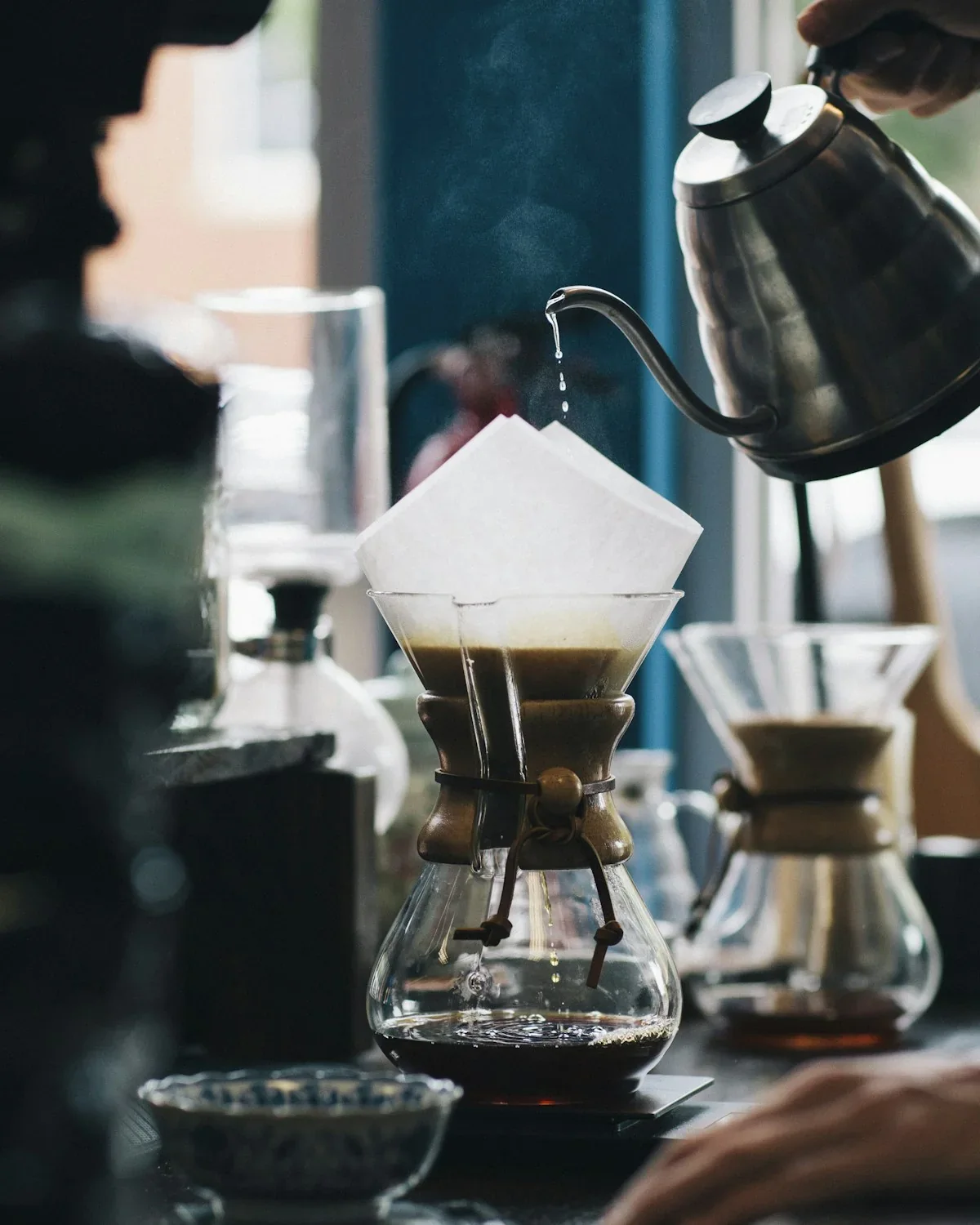
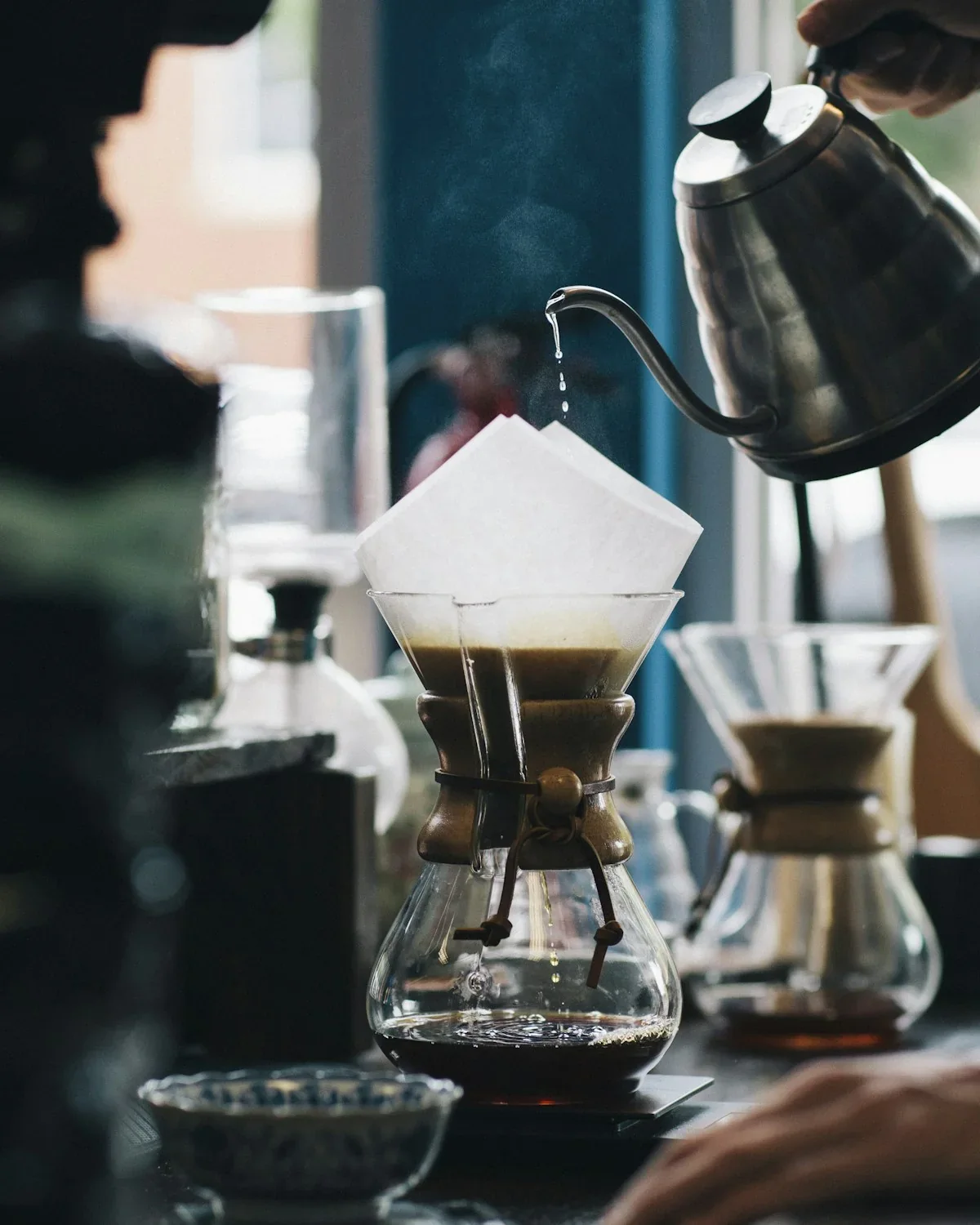
A modern pour-over coffee brewer in use

03 · Aromatic clarity

Modern pour-over

A controlled paper-filter brew can make the fruit, spice and wood notes of a Malaysian Liberica especially clear.

Ratio
1:16
Water
94°C
Time
3:00
Grind
Medium
  1. 01

    Rinse the paper, add level grounds and make a small well in the centre.

  2. 02

    Bloom with roughly three times the coffee weight in water for 40 seconds.

  3. 03

    Continue with slow concentric pours, keeping the bed evenly covered.

  4. 04

    Swirl the brewer gently and allow it to drain completely.

Recipe workbench

A recipe that fits the table.

Choose a method and enter the total water you want to brew. The guide calculates a practical starting dose and updates the timer target.

Measurements are suggestions, not rules. Adjust one variable at a time after tasting.

30 gCoffee
1:12Ratio
94°CWater
3:30Target time

For 2 cups with 360 ml water, start with 30 g coffee.

Keep the rhythm

A quiet timer for the pour.

Start when water touches coffee. Pause whenever you need to check the bed, then reset before the next cup.

Malaysian sock coffee · target 3:30

00:00

Timer ready.

Small details, cleaner cups

Water, grind and cloth care.

The best equipment is the equipment kept clean. These few habits prevent most harsh, flat or muddy brews.

01

Use fresh filtered water

Strong chlorine or mineral flavours remain noticeable after brewing. Start with water you enjoy drinking.

02

Match grind to contact

If coffee drains too fast and tastes thin, go finer. If it stalls and tastes dry, go coarser.

03

Clean the cloth promptly

Follow the maker’s care instructions. Rinse immediately, avoid scented detergent, sanitise periodically, and replace it if stale or sour aromas remain.

04

Control temperature

Very dark roasts often prefer slightly cooler water; lighter Liberica may benefit from a little more heat.

Troubleshooting

Listen to the cup.

It tastes bitter or drying.

Try a coarser grind, slightly cooler water or a shorter contact time. Change only one variable, then taste again.

It tastes sour or hollow.

Try a finer grind, warmer water or a little more brew time. Confirm that all grounds are evenly wet.

The cloth filter smells stale.

Boil it in clean water, rinse thoroughly and replace it if old oils or aromas remain. Never use perfumed detergent.

The white coffee is too sweet.

Reduce condensed milk, combine it with unsweetened evaporated milk, or brew a slightly stronger coffee base.

Continue the field guide

Make the next cup your own.

Start with a dependable method, then adjust sweetness and strength to taste.

Explore brewing