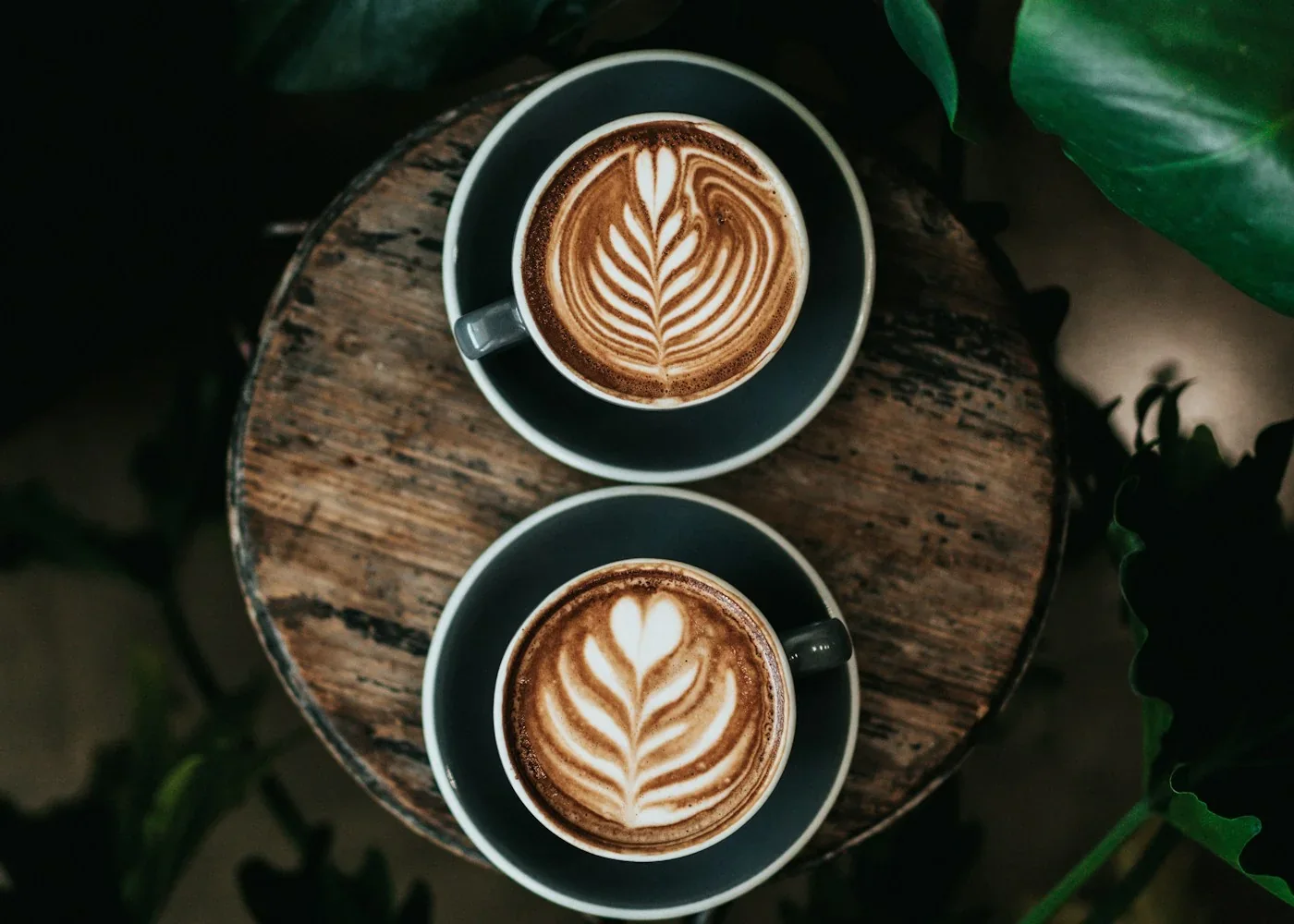
Ipoh, Perak
Ipoh White Coffee
- Toasty
- Creamy
- Caramel-like
A rounded kopitiam cup associated with Ipoh, usually brewed strongly and softened with sweetened condensed milk.
A field guide to Malaysian coffee
Start with flavour, travel through the regions, then learn the shorthand that turns a kopitiam order into your own cup.
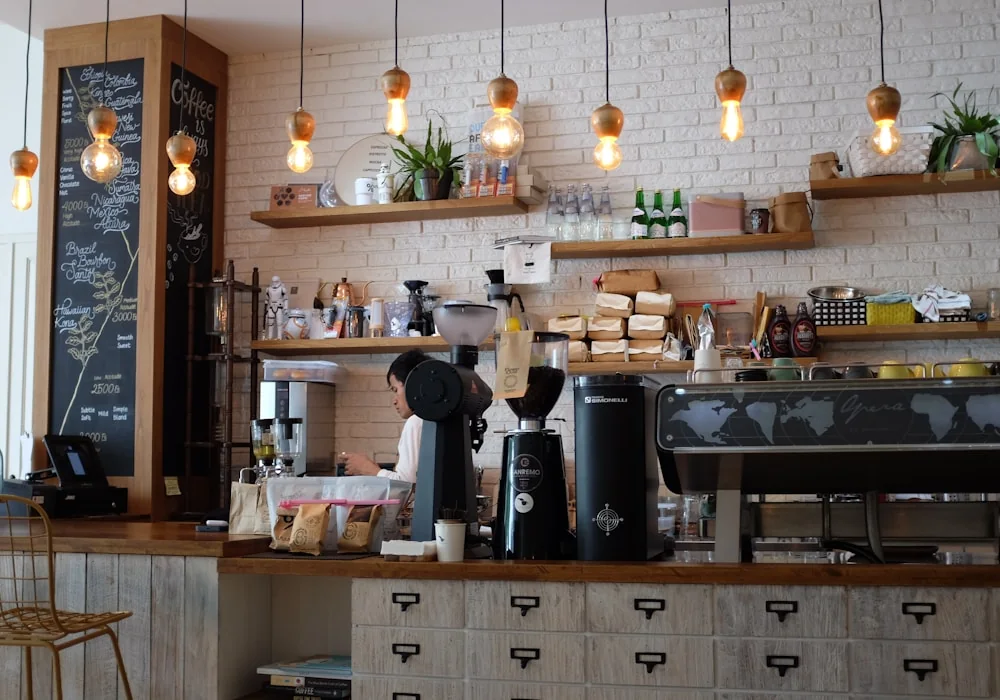
01 · The coffee atlas
Flavour words are signposts, not guarantees. Choose a direction, then open any card for the order notes behind it.
Filter by character
Showing all 6 coffees.
Ipoh, Perak
A rounded kopitiam cup associated with Ipoh, usually brewed strongly and softened with sweetened condensed milk.

Across Malaysia
Strong black kopi sweetened with sugar, without milk—the “O” is the useful part of the order to remember.
Across Malaysia
Kopi served with evaporated milk and sugar, giving a lighter dairy character than a condensed-milk cup.
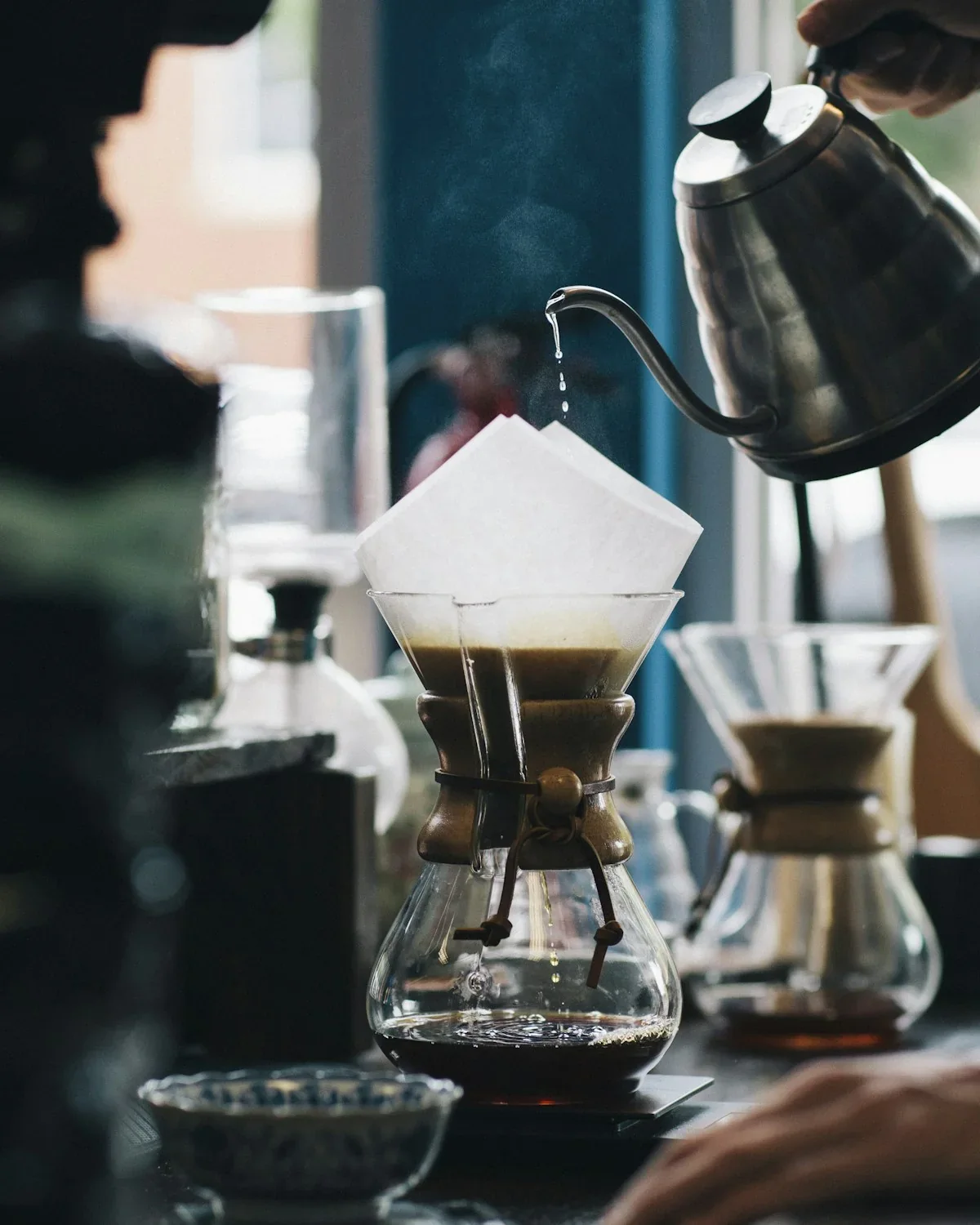
Kopitiams nationwide
A coffee-and-tea meeting in one cup, with the balance and dairy treatment set by the house.
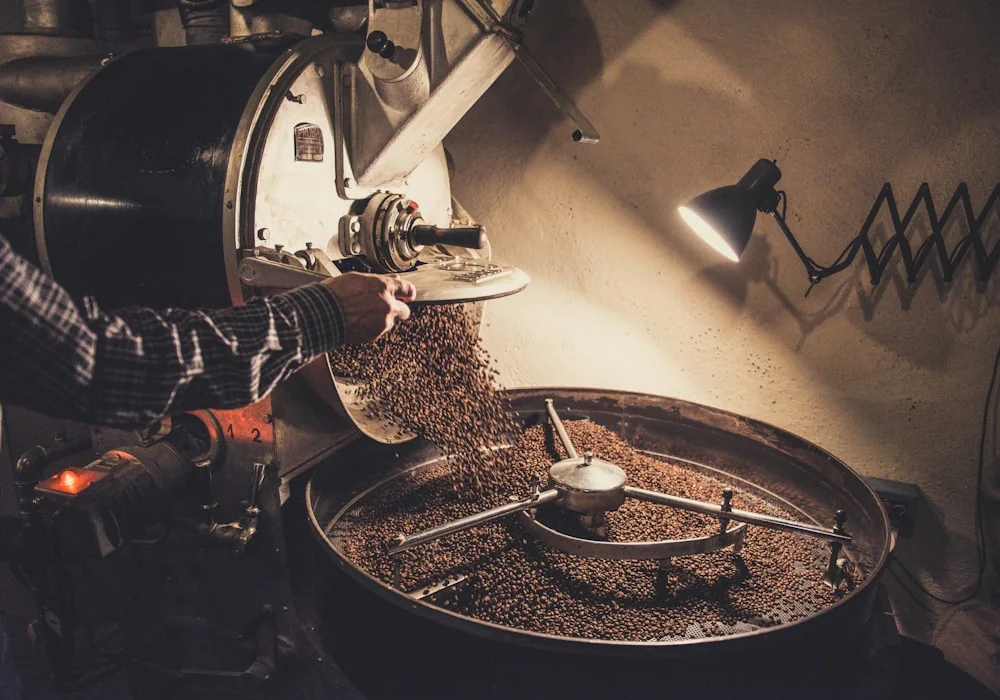
Tenom, Sabah
A Sabah coffee identity shaped by the growing and roasting traditions around the town of Tenom.
Johor
Liberica grown in Johor can offer an expressive alternative to more familiar Arabica and Robusta cups.
02 · Regional bearings
This orientation map highlights three places in the guide. It is schematic, not a navigational map or a boundary reference.
Closely associated with Malaysian white coffee and its kopitiam service style.
An important Malaysian setting for Liberica cultivation and contemporary specialty exploration.
A town whose coffee farms, makers, and visitor experiences form a recognizable regional identity.
03 · A shared table
Coffee here is not one recipe frozen in time. It is an everyday practice carried through migration, trade, family businesses, local taste, and new generations of drinkers.
Trading routes
Coffee arrived through wider regional trade and was adapted to available ingredients, equipment, and local preferences.
Kopitiam practice
Chinese-run coffee shops became familiar gathering places, serving affordable drinks and food to communities with many languages and routines.
Regional expression
Ipoh, Tenom, Johor, and countless individual shops developed recognisable approaches without becoming a single national formula.
Today
Cloth-filter kopi sits comfortably beside modern roast profiles and pour-over. The living culture continues through use, not perfect replication.
04 · Order with confidence
Choose each part and the decoder will assemble a common order. Usage and recipes can vary by shop, so a friendly clarification is always welcome.
Reading notes
This guide uses flavour language as orientation and treats ordering vocabulary as common usage rather than a rigid standard. Regional and cultural context was checked against the following institutional and editorial references.
Editorial note: shop vocabulary, milk choices, and sweetness conventions vary. When in doubt, ask the person making the cup.